
Reasons of White Fused Alumina (WA) Micropowders for Production of Vitrified-Bond Superfinishing Stones
White fused alumina(WA) also called white aluminum oxide,white corundum or white fused aluminum oxide etc
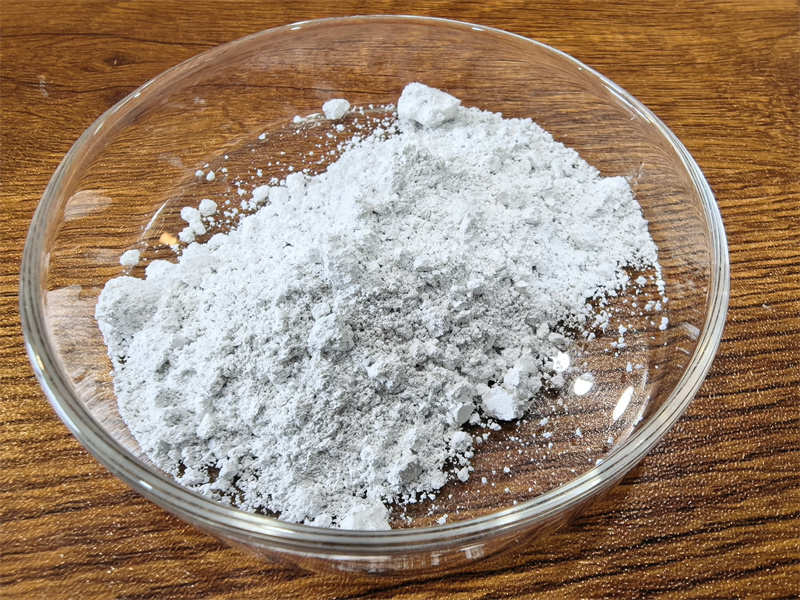
The Reasons of White Fused Alumina (WA) Micropowders for Production of Vitrified-Bond Superfinishing Stones are as follows:
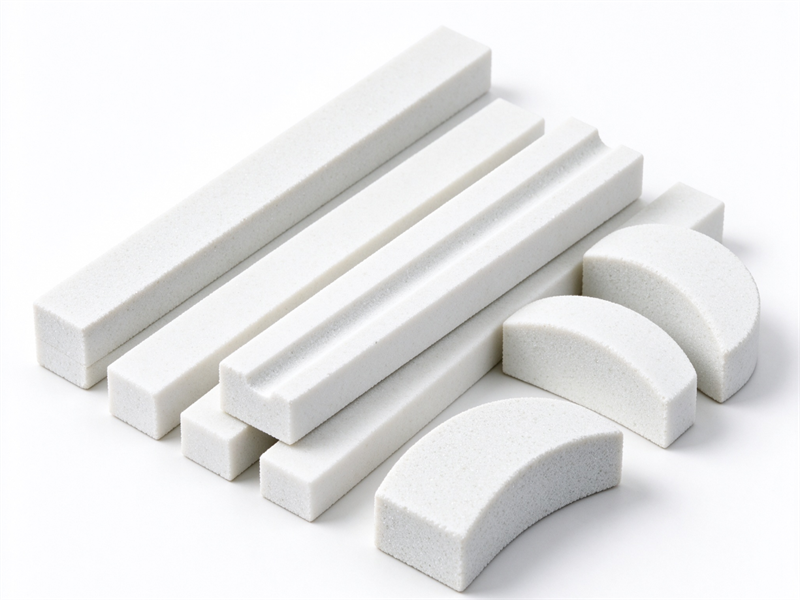
1. Gentle cutting action, minimizing the risk of workpiece burn
White Fused Alumina (WA) possesses moderate hardness and good toughness. Its cutting edges are not excessively sharp during the grinding process, making it ideal for the superfinishing of materials such as bearing steel and alloy steel. It is less likely to generate high temperatures, ablation, or surface annealing, ensuring the integrity of the metallographic structure in bearing raceways—a critical factor for the production of “quiet” (low-noise) bearings.
2. Balanced self-sharpening properties for uniform, controllable surface patterns
Under the oscillatory friction of the superfinishing process, White Fused Alumina WA abrasive grains undergo gradual, micro-scale fracturing, continuously exposing fresh cutting edges. Unlike green silicon carbide, which can be overly aggressive—often leading to over-cutting or chatter marks—White Fused Alumina WA produces a uniform, fine-textured finish on raceway surfaces. This consistent surface roughness helps reduce bearing noise and extends service life.
3. Excellent compatibility and bonding with vitrified (ceramic) binders
The coefficient of thermal expansion of White Fused Alumina WA is closely matched to that of vitrified binders, which prevents cracking or grain shedding during the sintering process. Furthermore, the surface of the WA powder can be easily modified to ensure a strong bond with the matrix, resulting in a stable service life for the superfinishing stone and preventing premature failure due to abrasive grain loss.
4. Low impurity content and consistent color, facilitating quality control
High-purity WA has a low iron content, which prevents the formation of black spots or oxidation stains on steel workpieces. Its white color ensures a consistent appearance for the superfinishing stones, allowing production lines to quickly identify issues such as abnormal wear or grain shedding.
5. Well-established particle size grading, meeting the tight-tolerance requirements of superfinishing
White Fused Alumina WA micropowders feature a narrow particle size distribution with strict controls on oversized particles. Since superfinishing processes are highly sensitive to the presence of coarse grains, the mature grading system for White Fused Alumina WA micropowders ensures the consistent production of superfinishing stones capable of achieving low surface roughness without causing scratches.
6. Advantages and Disadvantages of White Fused Alumina (WA) Compared to Green Silicon Carbide (GC) and Pink Fused Alumina (PA) in the Production of Superfinishing Stones
White Fused Alumina (WA): Used for superfinishing bearing steel, carbon steel, and alloy steel; offers gentle cutting action and minimizes the risk of thermal damage (burning) to the workpiece.
Green Silicon Carbide (GC): Used for cast iron, cemented carbide, and hard, brittle materials like ceramics; provides fast cutting, though it tends to scratch steel components.
Pink Fused Alumina (PA): Offers higher precision; primarily used for small, high-precision parts, but comes at a higher cost.
In summary, White Fused Alumina (WA) micropowder possesses excellent toughness and provides a gentle cutting action, making it ideal for processing bearing steel without causing thermal damage to the workpiece. It exhibits stable self-sharpening characteristics, resulting in a uniform surface finish after superfinishing and effective noise reduction. Furthermore, it demonstrates good compatibility with ceramic bonds, ensures stable sintering, and is available in well-established, standardized grit sizes—making it the primary abrasive used for superfinishing stones for bearing raceways.