
Reasons of white platelet aluminum oxide Used as a Functional Filler in Photovoltaic Encapsulants and Electronic SealantsWhite platelet aluminum oxide—also known as flaky alumina—features a two-dimensional, sheet-like structure.
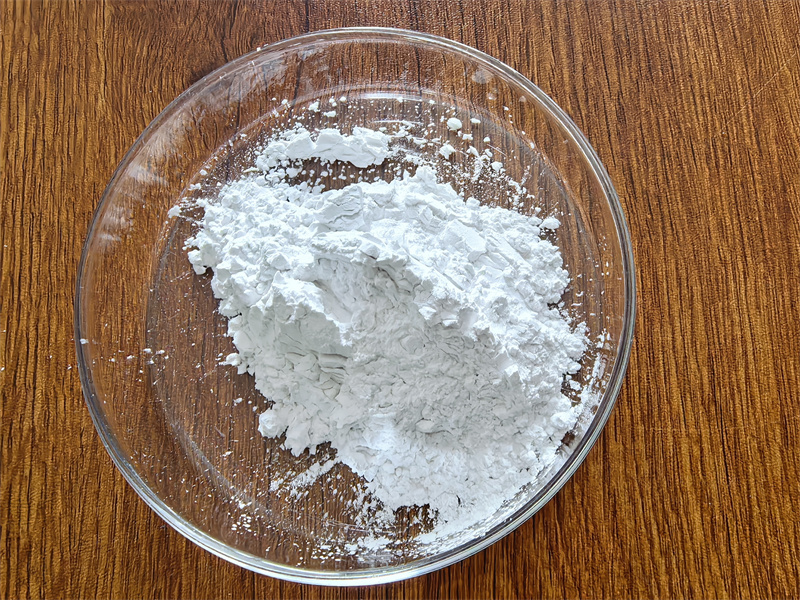

Its primary distinction from spherical or amorphous white fused alumina micro-powders lies in its ability to stack into a barrier layer. Key advantages include:
1. Excellent Water Vapor Barrier Properties
Within the adhesive matrix, these white platelet aluminum oxide particles overlap and lie flat, much like roof tiles. This creates a tortuous, winding path for permeation, making it difficult for water vapor and corrosive ions to penetrate the film. This helps mitigate Potential-Induced Degradation (PID) in photovoltaic (PV) modules and reduces the risk of moisture-related electrical leakage in electronic devices. In contrast, spherical alumina particles leave larger gaps when stacked, resulting in a significantly weaker barrier effect.
2. Weather Resistance, UV Resistance, and Anti-Yellowing
White platelet aluminum oxide exhibits high chemical stability and does not easily decompose under UV exposure. Its flaky structure scatters and blocks ultraviolet rays, protecting the polymer matrix (such as EVA, POE, or epoxy resins), delaying aging and yellowing, and ultimately extending the service life of PV modules.
3. Electrical Insulation, Arc Resistance, and Tracking Resistance
Alumina is inherently a highly insulating material. When white platelet aluminum oxide particles overlap to form a continuous, dense insulating layer, they enhance the voltage withstand and tracking resistance of epoxy potting compounds and conformal coatings—making them ideal for sealing power batteries, circuit boards, and power electronic components.
4. Enhanced Mechanical Properties, Wear Resistance, and Puncture Resistance
Once uniformly dispersed, white platelet aluminum oxide acts as a “skeleton” within the adhesive matrix. It improves tensile strength, wear resistance, and tear resistance, while minimizing creep and shrinkage deformation at high temperatures.
5. Thermal Conductivity Support
White platelet aluminum oxide can facilitate the formation of thermal conduction pathways along the planar direction, enabling in-plane thermal conductivity. However, since its thermal efficiency is lower than that of spherical alumina, formulations requiring high thermal conductivity typically rely primarily on spherical particles, with white platelet aluminum oxide added to provide a balance of barrier protection and electrical insulation.
In summary, white platelet aluminum oxide leverages a two-dimensional, overlapping flake structure to form a dense barrier layer within adhesive films. This provides a combination of benefits—including moisture vapor resistance, electrical insulation and leakage resistance, UV stability and aging resistance, and enhanced wear resistance—making it well-suited for use in photovoltaic encapsulation adhesives and electronic sealants.